


What types of bike racks are available? Carrying a bicycle inside a car can be a backbreaking task.…

Towbar installation – can you do it yourself?
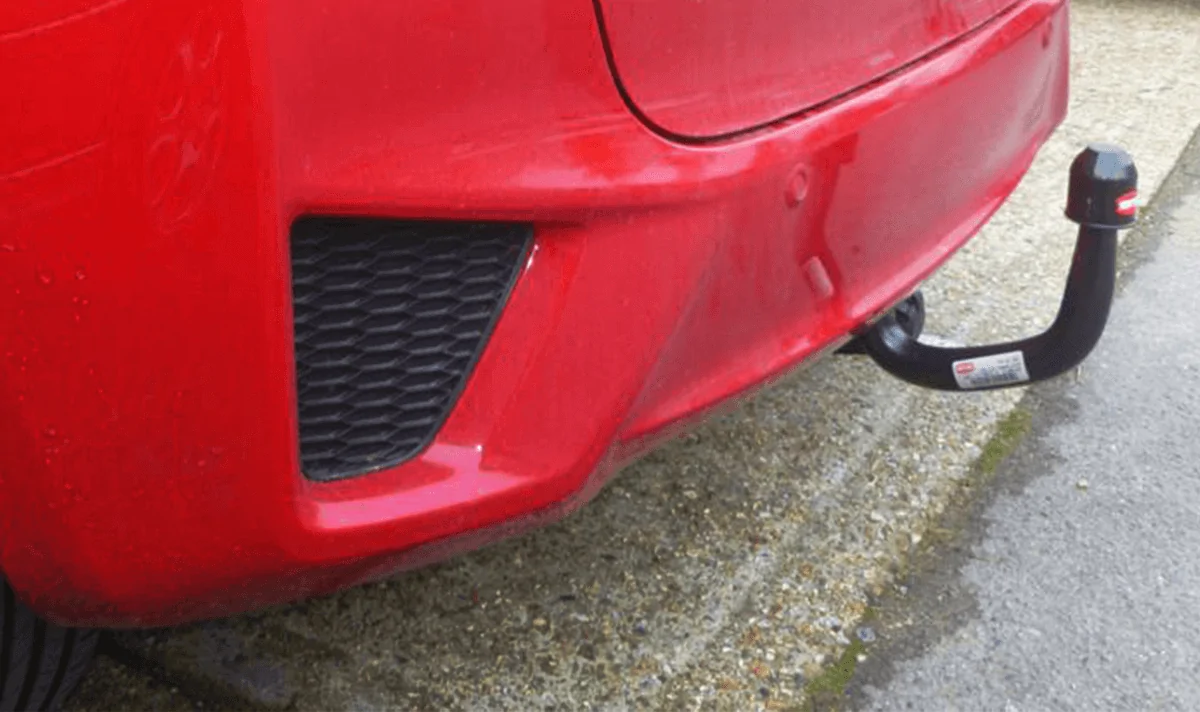
(photo: Internet)

The towbar allows you to tow another vehicle, go on holiday with a caravan or transport larger items on a light trailer. It significantly increases the functionality of the vehicle, which is why many drivers consider its presence in the car to be a great advantage. However, not every car has a towbar. However, it is possible to assemble it yourself. However, there may be a problem - not every passenger car is adapted to install a towbar. Of course, it can be made to measure, which is a task for a creative craftsman.
That's not the end of the obstacles you might encounter. Some vehicles aren't homologated for towing trailers. A towbar can be installed on them , but only with a low towing capacity. It's so small that you can only mount a bike rack. Before you decide to install a towbar, check if your car model supports it.
Towbar - types
You need to choose a towbar that fits your vehicle. Different types are designed for specific car models, engine versions, and body styles. Unfortunately, no towbar fits all vehicles.
A typical towbar consists of a mounting beam terminated by a profile. The beams are made of steel and vary in cross-section. The profile is used to secure the towbar to specific locations on the vehicle chassis. The towbar also features an electrical socket located in a plastic housing. A lifting flap allows for the installation of trailer lighting.
Currently you can choose from 4 types of hooks:
- Hooks with a ball screwed on with screws – towbar permanently installed
- Hooks with a semi-automatically detachable ball that can be transported in the trunk
- A hook with an automatically detachable ball with anti-theft protection
- Retractable hooks - permanently mounted, with a deflectable ball that can be hidden under the car.
Installing towbars with a detachable ball head is a good idea if you're traveling abroad. In some countries, driving with a ball head without a trailer is prohibited by law. Furthermore, the presence of a trailer can make parking in tight spaces more difficult, increasing the risk of damaging another vehicle.

(My Car infographic)
Installation of tow hooks and the car model
To choose the right towbar, pay attention to several vehicle features:
- Shape and type of body
- The make and model of the car
- Year of production
- Permissible weight of the towed trailer
- Arrangement of holes in the chassis
- Presence of parking sensors
Also choose the type of electrical socket that is used to illuminate the trailer. 7-pin sockets are intended for ordinary caravans, cargo trailers and tow trucks. If your caravan has a fridge, choose a 13-pin socket. You can also choose the first option and an adapter. Thanks to it, you can connect a 7-pin plug to a 13-pin socket.

(My Car infographic)
Towbar - regulations
Towbar installation is somewhat limited by the guidelines found in your vehicle's registration document. These include the permissible trailer weight, both braked and unbraked. However, these figures should not prevent you from installing a towbar. You can calculate the permissible gross vehicle weight using the following formula:
GVM/1,33
Remember, however, that according to the law, if you have a category B driving license, you can drive a vehicle with a combination of 3,5 tons.
Installing a towbar also requires reporting it for a technical inspection to the Vehicle Inspection Station and the Department of Communications. The towbar must be subjected to a diagnostic test. If it was incorrectly installed, the work must be repeated.
Installing the towbar
You can install a towbar yourself or seek professional help. How do I install a towbar?
- Prepare the kit towbar
- Read the user manual
- Empty the trunk of your car
- Remove the side covers in the trunk compartment.
- Unscrew the rear bumper
- Remove the skid plates under the bumper
- Using the hydraulic lift, raise the car
- Dismantle the exhaust system parts
- Remove corrosion deposits at the installation site
- Install the supports and beams
- If necessary, cut the bottom of the bumper
- Install the bumper and towbar
- Run a dedicated electrical harness
- Screw on the socket and connect the harness to it
- Install the muffler
Installing the towbar…and what's next?
To tow another vehicle using a towbar, you'll need a tow rope. Products available on the market, including those offered by Moje Auto, vary in pulling power and length. The rope should be easy to install and resistant to heavy loads. Its color is also important. Regulations require that a tow rope be a distinctive color that allows for high visibility. Moje Auto tow ropes are TUV, BSI, and WT certified.
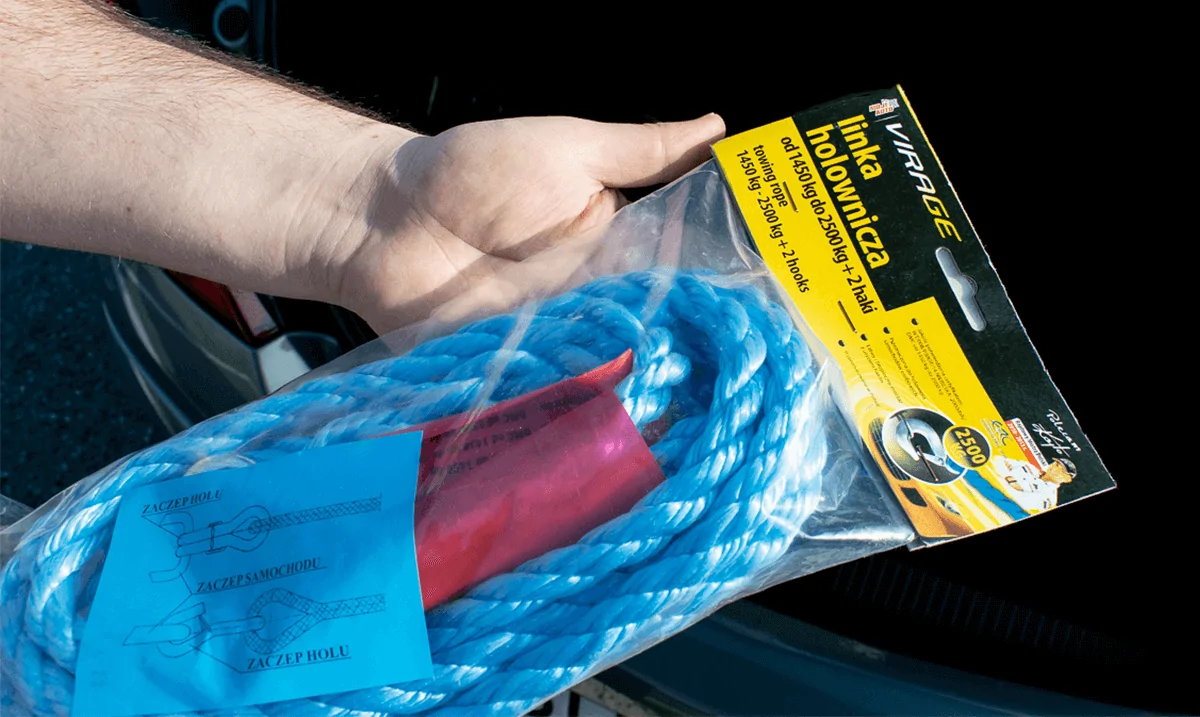
(photo: My Car)
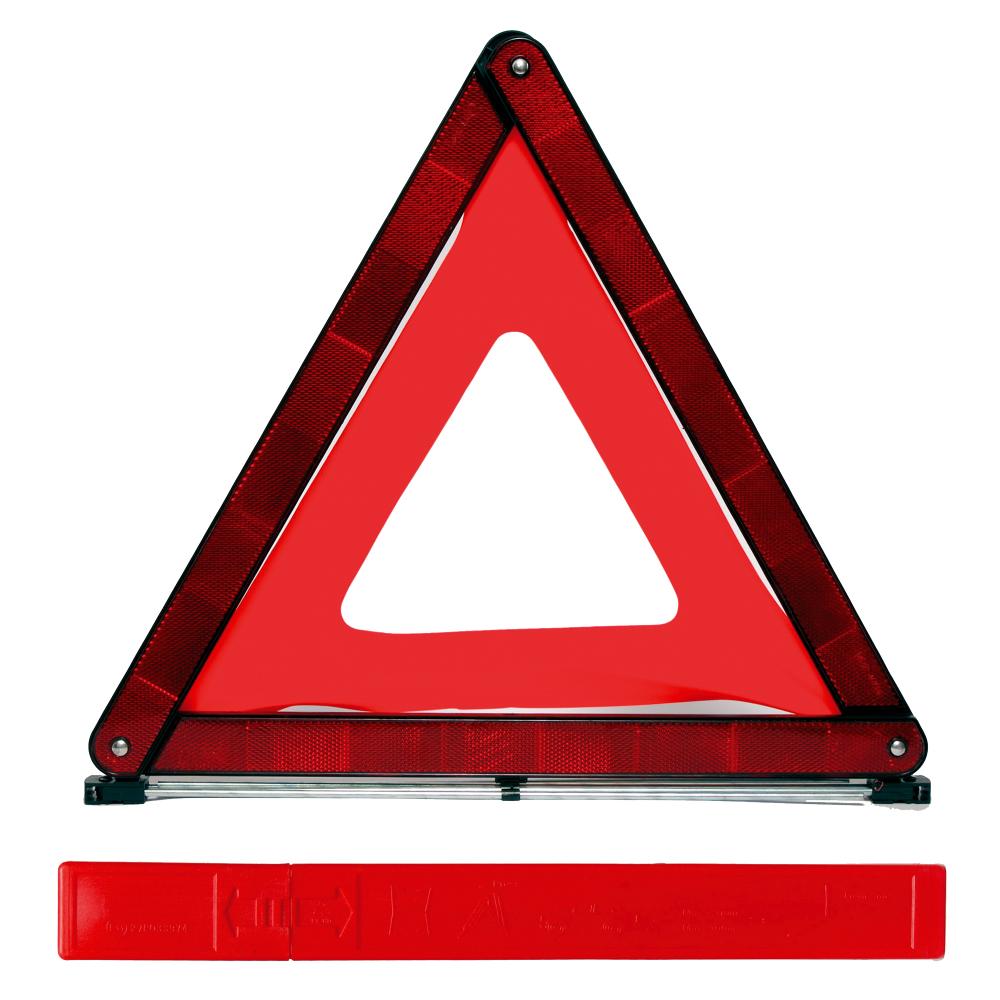
To tow another vehicle, you need a towbar and a tow rope. The vehicle being towed must also be properly prepared in advance. Place a warning triangle on the left side of the vehicle. If weather conditions are poor and visibility is limited, turn on the sidelights, but never use the hazard warning lights. Attach the tow rope so that it doesn't disconnect. This is accomplished by using towing hooks integrated with the rope. The rope must always be taut during towing. If you're changing lanes, both vehicles should signal. If possible, drive in the right lane. The towed vehicle should brake harder to avoid the slack rope effect. All of this requires good communication between drivers.
Summary
You can install a towbar yourself if your car is designed for it. However, remember that you must report the installation to the Vehicle Inspection Station and the Department of Motor Vehicles. You will also need a tow rope and knowledge of how to tow a car properly and legally.


