


The traction control system, or ASR, helps you recover from a skid and regain traction. Although it can be…

How does the ABS system in a car work? What should braking with ABS look like?
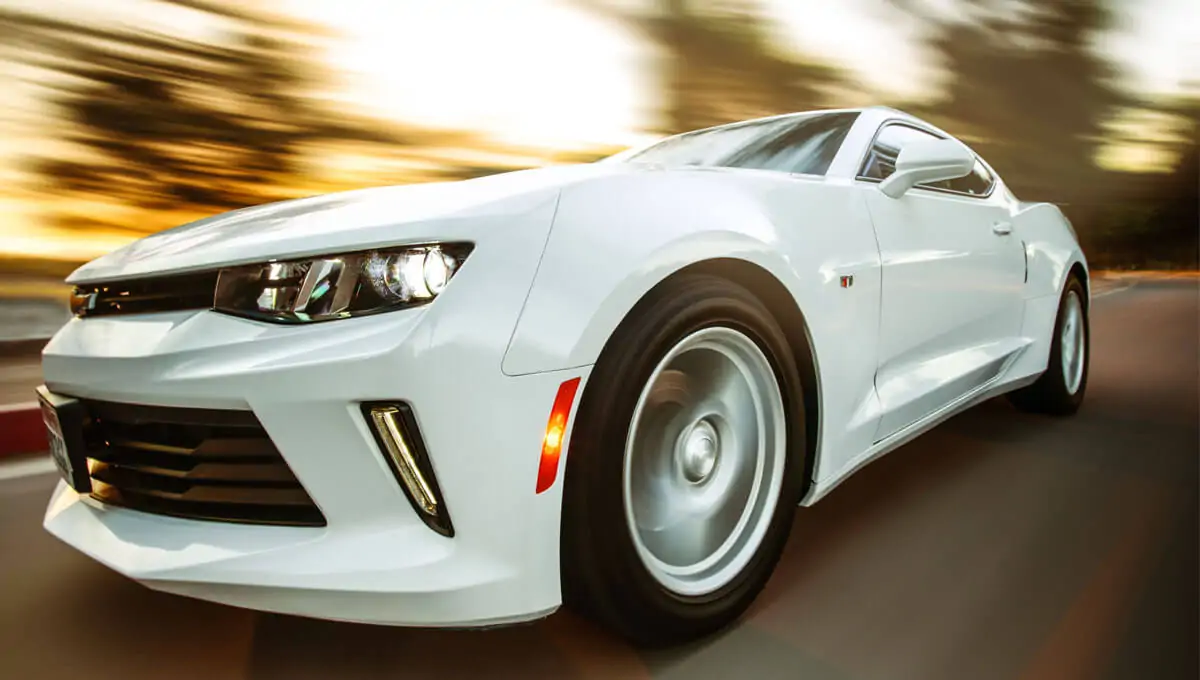
(photo: Unsplash)

The ABS system in a car is no longer a luxury, but it is certainly a great convenience. More than half of drivers who can use it cannot do it properly. They do not fully use the potential of their car. ABS in the car and its lack determine the appropriate braking technique. Braking with ABS is more efficient, regardless of the conditions, if we can do it well, of course. How does ABS work? Should you press the clutch when braking? How to brake with the ABS system and use all its advantages?
- The ABS system prevents the wheels from locking when braking.
- The system increases safety when turning.
- You can drive with a damaged system, but it is less safe.
- Check what they mean lights in the car!
- What is ABS?
- How does the ABS system work?
- What is this system made of?
- How to brake with ABS?
- Emergency braking
- Braking errors
- Comfortable turning
- Braking without ABS
- What does the ABS light mean?
- Can you drive with damaged ABS?
A few years ago, prospective drivers were introduced to the theory of pulse braking during driving lessons, but few of them mastered the practice. ABS supports pulse braking, making it easier for drivers to perform this maneuver in all conditions. However, braking with ABS seems like a difficult art when you analyze the statistics of people who actually do it well.
What is ABS?

First, a definition: what is this system? ABS is a system that prevents the wheels from locking during braking . This allows the driver to maintain control of the vehicle. With ABS, the car can brake more effectively, especially on slippery surfaces, minimizing the risk of skidding. This system works by pulsating the brake pressure when it detects a wheel starting to lock. It's one of many safety systems in cars.
How does the ABS system work?
We already know what it is, but how does ABS work? It actually causes the wheels to lock up, but only for a short period. ABS reduces the pressure in the braking system when the wheels are slipping for a while. This allows them to regain traction and lock up again. Consequently, this often means avoiding a collision or accident.
Check what the ASR system is!
What is this system made of?
The ABS system consists of wheel speed sensors, a controller that analyzes the signals from the sensors, and a pressure modulator. The entire process described above occurs very quickly. Every second, the brake pressure decreases several times, causing the wheels to lock again. This type of ABS braking allows the driver to maintain vehicle stability during sudden deceleration, shorten stopping distances, and maintain the vehicle's steerability.

(infographic. My Car)
ABS in a car activates automatically, which the driver feels as a slight vibration on the brake pedal. If you have a new car purchased in the European Union after July 1, 2004, or in Poland after 2006, you can be sure it has ABS.
How to brake with ABS?

Above all, braking with ABS requires understanding how the system actually works and why it's used in new cars. Only then will you feel the difference in braking quality and effectiveness. ABS braking will certainly increase the average driver's safety, even in more challenging conditions. However, it won't always shorten stopping distances. This depends primarily on traction. The poorer the traction, the longer the stopping distance. The vehicle's assured control allows you to easily avoid obstacles if the brake pedal is fully depressed.
Emergency braking
The ABS system in a car is excellent for emergency braking. However, many drivers wonder whether they should depress the clutch when braking , even if their car is equipped with ABS. Instead, you need to press both pedals simultaneously – the clutch and the brake. Hold them down until you reach the desired speed. During emergency braking, you press the clutch pedal because the combination of engine power and the wheels slightly interferes with the ABS system. This means stopping distances are longer. Engaging the clutch can also cause the engine to stall. Emergency braking with ABS also requires depressing the brake pedal as hard as possible. This signals the system that you want to brake as quickly as possible.
Braking errors
Unaware of this theory, drivers release the brake pedal. A car's ABS system causes a pulsing sound during braking, which many people interpret as a malfunction. Another reason is a loss of braking power, which makes it seem as if the car isn't responding to our "brake" command.
Comfortable turning

A major advantage of ABS is the ability to turn while the brake pedal is depressed. The wheels lock only momentarily, which the driver doesn't feel. However, there is greater resistance, and the car turns more slowly. In this case, it's also important to know how to properly use the system, for example, to avoid an obstacle. How do you do this? Press the brake pedal fully, but focus on a smooth turn, as a sharp one will be impossible. Only release the brake pedal when you're sure you can avoid the obstacle without braking.
Braking without ABS
Unfortunately, braking without ABS has one major drawback – it's unpredictable. Lack of experience and insufficient vehicle knowledge mean that sometimes we can successfully brake in an emergency, while other times complications can arise. If a car lacks the system, it's more difficult to brake while avoiding an obstacle and there's a greater risk of skidding. However, this doesn't mean that such vehicles are less safe; the braking technique is simply different.
What does the ABS light mean?

The anti-lock braking system (ABS) warning light is easy to locate because it appears as "ABS" in a circle. It's hard to miss. It illuminates yellow or amber and should go out when activated, along with the battery warning light. If the ABS warning light is on, it indicates a malfunction. Typically, it involves a faulty wheel speed sensor, ABS pump, valve, short circuit, or low brake fluid level.
Can you drive with damaged ABS?

The question then arises: is it safe to drive with a faulty system? Of course, this is not recommended, as such a failure negatively impacts safety. Driving with a faulty ABS sensor isn't prohibited, but it's definitely worth avoiding. After all, in difficult conditions, when sudden braking is necessary, you could lose control of the car.
Summary
- ABS in the car is an anti-locking system.
- ABS braking increases safety regardless of weather conditions.
- During emergency braking, press the brake and clutch at the same time.
- The ABS system allows you to turn while braking.
- ABS significantly improves the car's controllability.

(My Car infographic)


