

Tethered by electromobility After my first impressions from the Geneva showroom, I realized that we already live in...

You often drive on reserve - check why you shouldn't do it

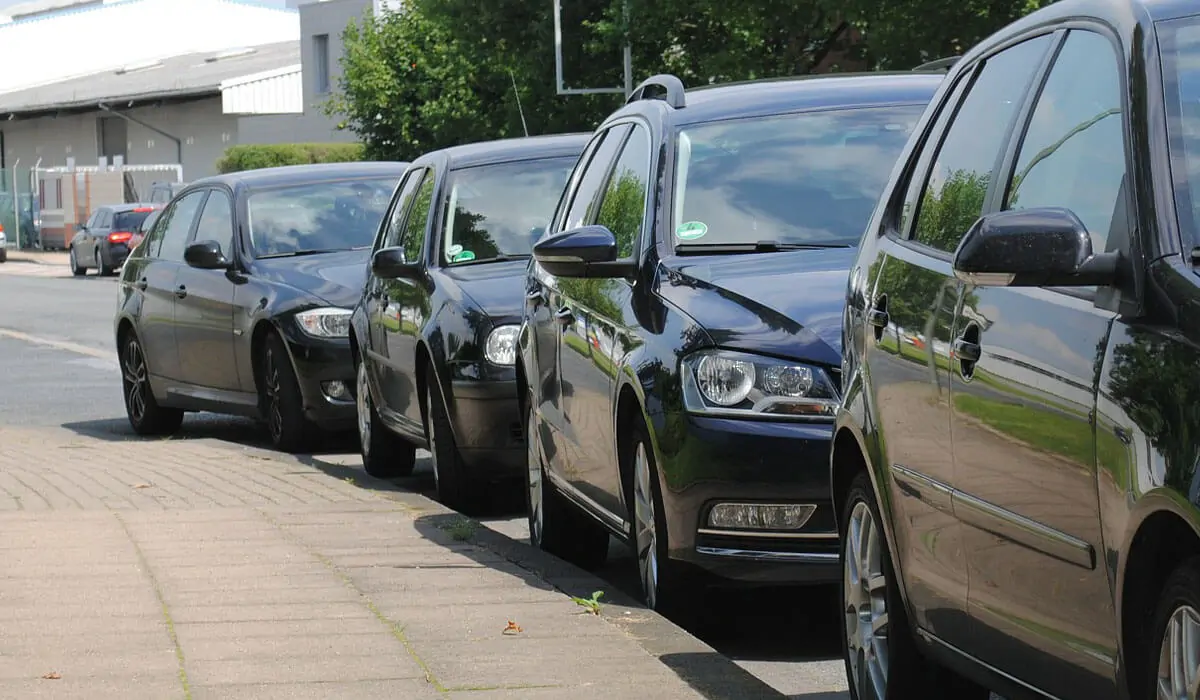
(photo: pexels)

You only refuel when you are almost out of fuel. You often drive on reserve, not being aware that it does not have the best effect on your car. Don't wait until the last minute, refuel earlier, especially in autumn and winter. First of all, your car's engine suffers. So the only problem is not the risk of running out of fuel on a rarely traveled road. Some drivers are more careful. They refuel when they see on the gauge that they have less than half a tank of fuel. Is it worth following their example? Or maybe frequent driving on reserve isn't such a bad idea after all?
From the article you will learn:
- How driving on reserve affects individual components in the car
- What is the function of fuel?
- What are the effects of driving on reserve?
- How to make up for the fuel deficit
Driving on reserve – case?
Perhaps this is the case for most drivers, but not for all. Especially when driving frequently on reserve, it's hard to say it wasn't intentional. Car warning lights that signal a low fuel level don't always mean "fill up." After all, we know we'll still be able to drive for dozens of kilometers with that level of fuel. Sometimes, driving on reserve isn't intentional. On long drives, there's no gas station on the road, and you won't be able to refuel for another 50-60 km. Some drivers, however, like to drive until they're empty. Unfortunately, infrequent refueling isn't good practice.
A risk that doesn't pay off
You want your car to always be in good shape, drive efficiently, efficiently, economically and without frequent breakdowns. Despite this, you rarely fill it up when the reserve light comes on. There should be no less than 1/4 of fuel in the tank. Take special care of it in winter. You can not only stop far from the city, in the middle of the road or on a rarely traveled route. It is also a habit that contributes to failures and faults in the engine and other car components.
Frequent riding on reserve, and the fuel pump
Fuel powers the car, but also lubricates and cools the fuel pump. Driving on reserve fuel can result in a lack of lubrication. Problems with this arise on curves, when the pump momentarily loses lubrication. This doesn't always mean immediate failure, but it's a surefire path to engine loss. If you have a car that runs on gas, you'll certainly feel this more acutely. You only fill up with enough gasoline to get the car started. In winter, pump lubrication problems have even more serious consequences. In such conditions, a cold engine won't start on gas.
High temperature fuel
Driving on reserve fuel also increases fuel temperature; the less fuel there is in the tank, the higher its temperature. This occurs because some of the fuel heated by the engine temperature returns to the tank, warming the fuel already in the tank. This contributes to engine performance problems. This is a significant problem because, in most cases, we don't associate it with driving on reserve fuel. We may even downplay the problem and look for it elsewhere. In reality, how we operate our car affects the lifespan of individual components.
Tank without fuel, tank not completely empty
When there's no fuel in the tank, it doesn't mean there's nothing else. There's certainly still air, but we know perfectly well that it will be difficult to drive on. It's characterized by a high water vapor content, which condenses, forming water that combines with the remaining fuel. At low temperatures, water freezes, and ice forms in the tank. The fuel system clogs, and we lose our energy source. Frequent driving on reserve fuel with water accumulation in the tank promotes rust formation. This can clog carburetor jets, fuel filter, and injectors.
Problematic diesels
More and more of them are driving around, some on their last drops of fuel. If you have a modern car, you can count on computer support. Special controllers automatically adjust the injection parameters when the fuel level drops. Unfortunately, older models don't have a computer, as it doesn't have one. Air in the injection system makes it difficult to start a diesel engine. In such a case, you won't be able to handle it without specialist help. Remember, your diesel doesn't like to run on its last legs. Monitor your fuel level and avoid running on reserve.
We are making up the deficit
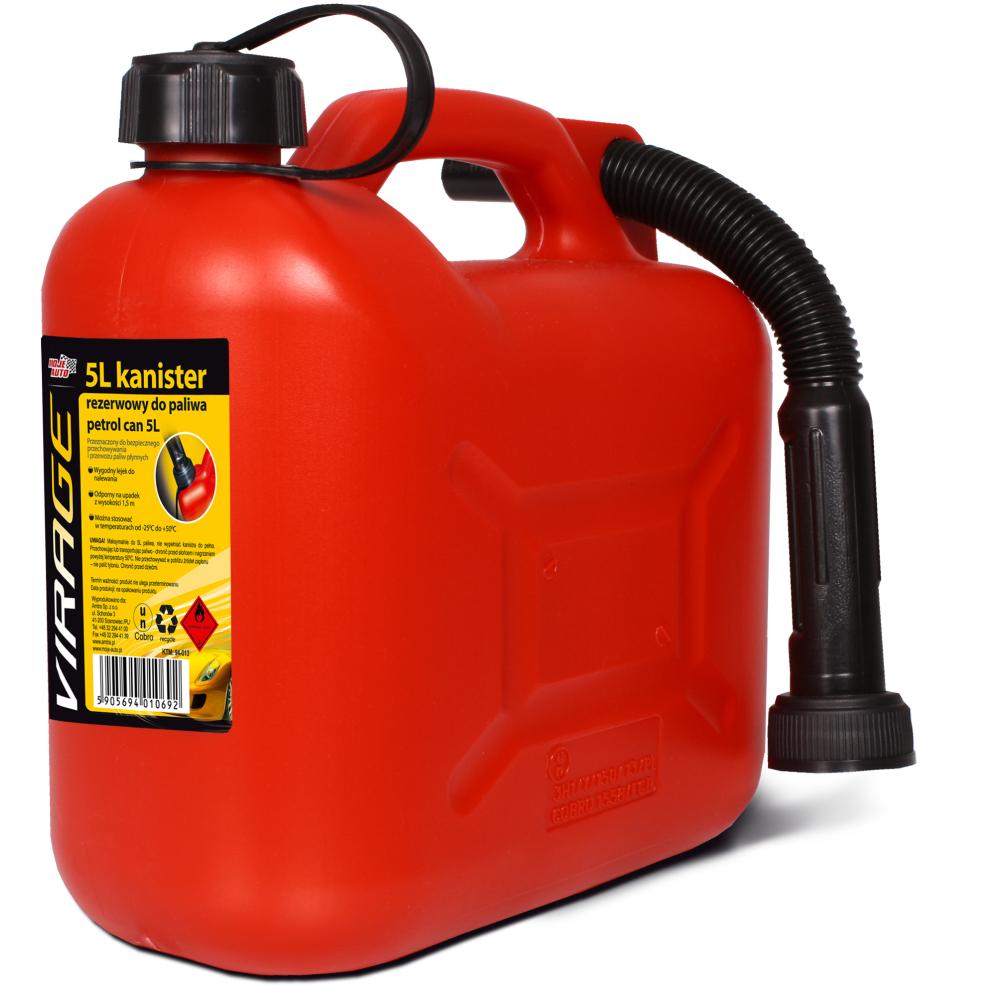
Your car won't go any further. There is not even a drop left in the tank, you have to rely on energy from the canister. It's worth having it, especially when going on a longer trip. In newer car models, filling fuel gaps may be difficult. The design of the filler port clearly makes this difficult. Buy a canister with a hose and a stiff tip. Insert the nozzle into the infusion and unlock the protection. In typical cars, it is enough to add 5 liters of fuel to keep going. If you have a powerful SUV, a typical gas can may not be enough.
Driving on reserve to the nearest station
A gas station is several dozen kilometers away, and you're already running on fumes? Drive economically, slowing down to 50-60 km/h. The revs shouldn't drop too low, so pay attention to the correct gear selection. Your car should be able to handle 1300-1500 rpm. It's best not to let the revs drop below 1500 rpm when driving on reserve . If you're 2-3 km from a gas station and your car could stall at any moment, stop yourself. You can walk the short distance and refill the canister. This is always a better option than stopping in a dangerous spot.
Summary
- The fuel lubricates and maintains the correct temperature of the fuel pump
- The less fuel there is, the faster it heats up, which has an adverse effect on engine operation
- There is water in a tank with a fuel deficit. It freezes at low temperatures and makes it impossible to continue driving. It also promotes the appearance of rust spots.
- Driving on reserve increases the risk of air in the injection system, especially in old diesels.
- To start the car when there is no fuel, just fill the tank with 5 liters of "energy".
See also:
- How to drain fuel from a tank?
- What is baptized fuel?
- Calculate fuel consumption! Check how much fuel your car burns!