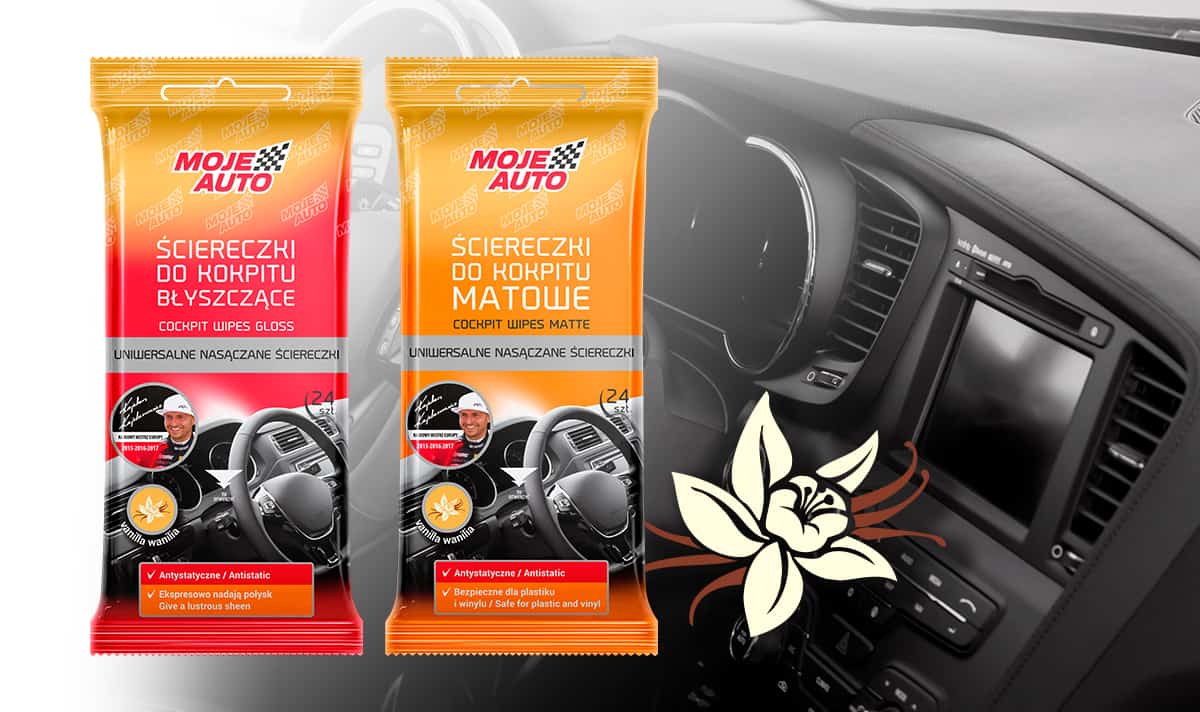
The dashboard in a car is a showcase that we pay attention to immediately after entering the car.…

How to care for the dashboard and plastics inside the car?
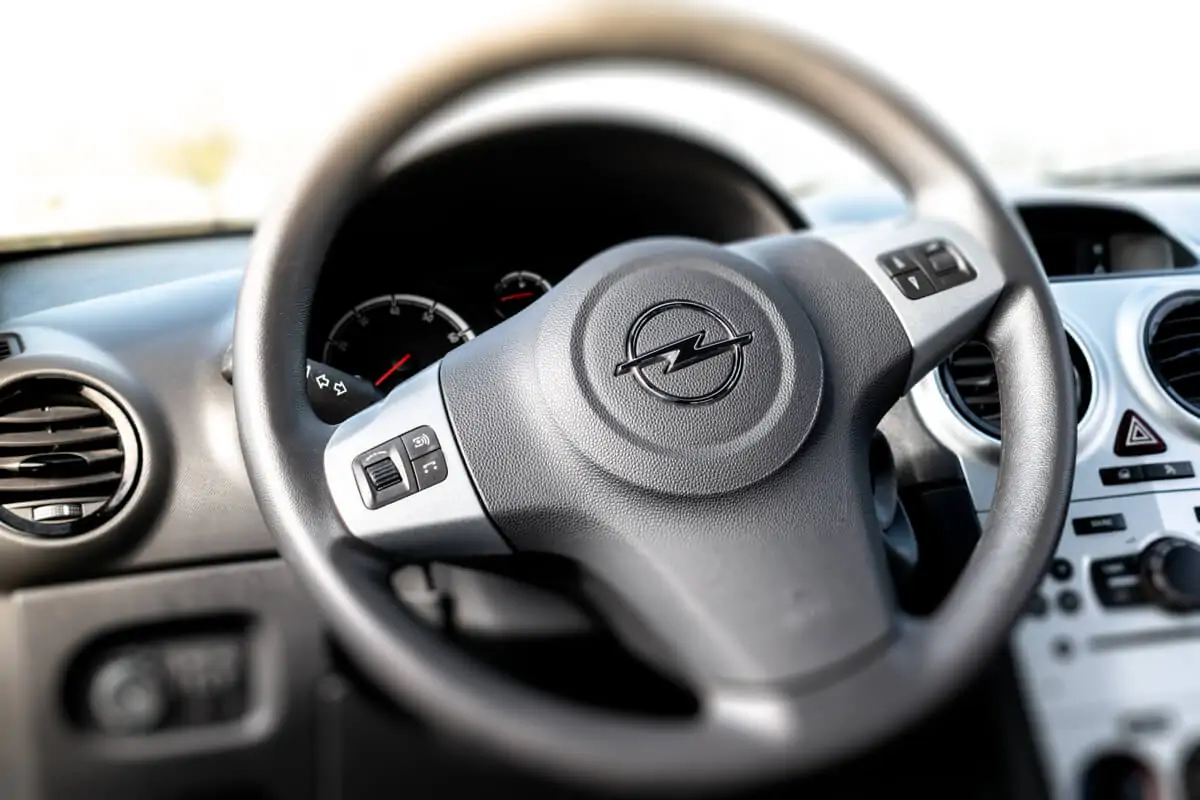
(photo Moje Auto)

The share of plastics in the mass of passenger cars increases dramatically every year. In the years 1980-1990 it was 7,5%, in cars produced in the years 1991-2004 -17%, and in cars produced in the years 2005-2015 it is estimated that it increased to approximately 38%.
The main materials from which plastic elements are made are polyurethanes, polypropylenes, polyethylenes and polycarbonates. The average use of plastics in the construction of passenger cars is: vehicle interior about 65%, - body about 15%, - drive system about 10%, - electronic equipment about 5%, - and chassis about 5% [1].

(graphic: My Car(
The use of plastics in the construction of passenger cars has both positive and negative aspects. The weight of the vehicle certainly decreases, which has a positive impact on fuel consumption. Plastics are easier to process and are cheaper, which affects the final price of the vehicle. The negative aspects certainly include the quality and durability of the materials.
Plastics used in the production of passenger cars
They can be divided into:
Thermoplastics , a material that becomes soft and easily molded when heated. However, it hardens upon cooling, taking on a new shape. These include: polyethylene (dashboard, front and rear mud flaps), polypropylene (front and rear bumper trim, headlight covers, dashboard), polyvinyl chloride (door trim, front fender trim, rear and windshield cover), polystyrene, and polyvinyl acetate.
Thermosets , which melt and do not dissolve at high temperatures, are hard and brittle, and break upon impact, e.g., Bakelite and other phenolic resins, polyester resins, epoxy resins, polyethylene oxide, polyvinyl oxide, polyacetylene, and some polyamides (dashboard).
Elastomers have rubber-like elasticity even at elevated temperatures – they have properties similar to rubber (mainly used in the production of seals, bumper covers, spoilers).
The dashboard in a car is its showcase, which we pay attention to immediately after entering the car. On the market we can find many preparations for the care and cleaning of plastic elements inside the car, commonly known as the cockpit.

(graphic: My Car)
Types of cockpit care products
The market offers products divided by application method. These include pressurized aerosol cans and atomizer-based products . Another division is between products based on water-insoluble ingredients, known as silicone oils , and products based on water-soluble silicone emulsions (easy to remove). Products can also be categorized by their performance characteristics: high gloss, satin gloss, or matte . There are also cloths available for cleaning and maintaining the cockpit. So how do you choose the right product?
Let's consider the chemical processes that plastic components in our cars are exposed to and how we can delay their effects. Degradation of polymer chains in plastics is one of the most dangerous processes occurring in these types of materials (i.e., a process that changes the material's structure). It leads to a reduction in molecular weight. This can be caused by physical factors (such as heat, light) or chemical factors (oxygen, ozone, acids, bases, aggressive media).
The materials that make up the interior of our car, despite the use of highly resistant material, often contain substances that significantly reduce their quality. Unfortunately, this is a side effect of materials that have many advantages. These are: dyes, stabilizers, chemical pollutants. Additionally, in the air we can find substances such as carbon monoxide, nitrogen oxide, sulfur dioxide, sulfur trioxide, which, when combined with moisture, create strong inorganic acids that settle on the surface, causing their degradation.
The first visible sign of these processes is a change in surface color, i.e. yellowing, lack of gloss, dullness. Substances in the air have a destructive effect on the materials used in the car. First, they destroy their protective layer, which causes them to lose their visual value. They then weaken the durability of the materials, which can lead to more serious, sometimes irreversible, damage. In such a case, the only logical decision is to replace components that have completely worn out. Depending on the car brand, such an activity may prove to be very expensive.
How to protect the surface against the dangerous influence of external factors?
Systematic maintenance with products from a brand-name manufacturer will ensure the safety of cleaned surfaces. Manufacturers of brand-name products use the highest quality raw materials and conduct numerous tests to confirm their quality. Moje Auto is one such brand. Moje Auto offers: glossy and matte dashboard protectants in aerosol form, glossy and matte dashboard protectant in a spray bottle , satin-matt and glossy cockpit milk in a spray bottle, and matte and glossy cockpit wipes.
Moje Auto KOKPIT aerosol contains a blend of advanced engine oils. These products are easy to use thanks to their pressurized canister. They leave a protective layer on the surface, shielding it from external factors. Additionally, they have a pleasant fragrance, available in various flavors.

(photo: My Car)
Many users prefer matte products, claiming that it does not reflect sunlight from the surface. We can also offer this version of the product. When using such products, we must remember that they contain water-insoluble and lubricating substances. They should not be used on elements such as the steering wheel, gear stick, or pedals, as this may pose a risk while driving. We also need to be careful with glass elements: car glass, as removal from such a surface requires the use of degreasing substances.
PROTECTANT cockpit
Glossy and matte are products containing a water-soluble silicone emulsion. Apply these products using a microfiber cloth (we do not use paper towels, as residues may remain in sensitive places). By using a cloth, we spread the product evenly, leaving no streaks or streaks. A delicate protective surface remains on the surface. It protects the material and repels dirt thanks to unique additives, and additionally leaves a pleasant scent. The products are available in two versions: glossy or matte.

(photo: My Car)
The satin matte and glossy cockpit milks contain unique ingredients such as avocado oil and a protective polymer , which not only protect the surface from dirt but also restore the natural color of the cleaned surface. It has a pleasant fragrance and additives that repel dirt and dust. The highly viscous consistency ensures comfort when cleaning vertical surfaces. We also offer two versions: glossy and matte.

(photo: My Car)
Matte and glossy cockpit cloths are saturated with care ingredients. Their purpose is to refresh and protect, while leaving a pleasant fragrance. However, this type of application is recommended for routine cleaning, i.e., refreshing the surface. For more thorough care, we recommend using a product in the form of a preparation or lotion.

(photo: My Car)
Summary
- There is a wide range of cockpit care products on the market.
- Every year, cars contain an increasing percentage of plastic materials.
- The materials most often used in car production are thermoplastics, thermoplastics and elastomers.
- The market is saturated with preparations for cleaning a dashboard made of one of the above materials.
- The division of products on the market is classified according to the method of application.
- The most common are: pressurized aerosol containers, preparations administered in the form of an atomizer.
- The most dangerous process that occurs in plastics is the degradation of polymer chains.
- Some of the most valuable products on the market are Moje Auto Kokpit and Moje Auto PROTECTANT. It is also worth considering milk and cockpit wipes.