Take care of your carpets When thinking about how to prepare your car for winter, it is worth finding out…

Car in winter - what to avoid to avoid damaging your car at low temperatures?


Cars don't have it easy in the winter. After all, low temperatures are a big challenge for all machines - including cars. In severe frosts, you should avoid activities that can damage your vehicle. What should you not do on extremely cold winter days? What will happen if you don't follow these rules?
- Cars are not easy in the winter. It is therefore worth avoiding behaviors that may have a negative impact on the car.
- What to avoid? A car in winter does not like a weak battery or rapid acceleration.
- It is also worth remembering that some elements may freeze, such as the brake or doors.
- Find out, how to prepare your car for winter!
- Car in winter - don't neglect the battery condition
- Do not reach high speeds until the engine is warmed up.
- Car in winter? Don't use summer coolant or windshield washer fluids
- Don't neglect seasonal tire changes
- Don't force a frozen door open
- Do not leave the handbrake on in very cold weather.
- What are the consequences of not following these rules?
Frosts are fast approaching Poland. Before they arrive, check what activities are worth avoiding so as not to expose your car to failure.
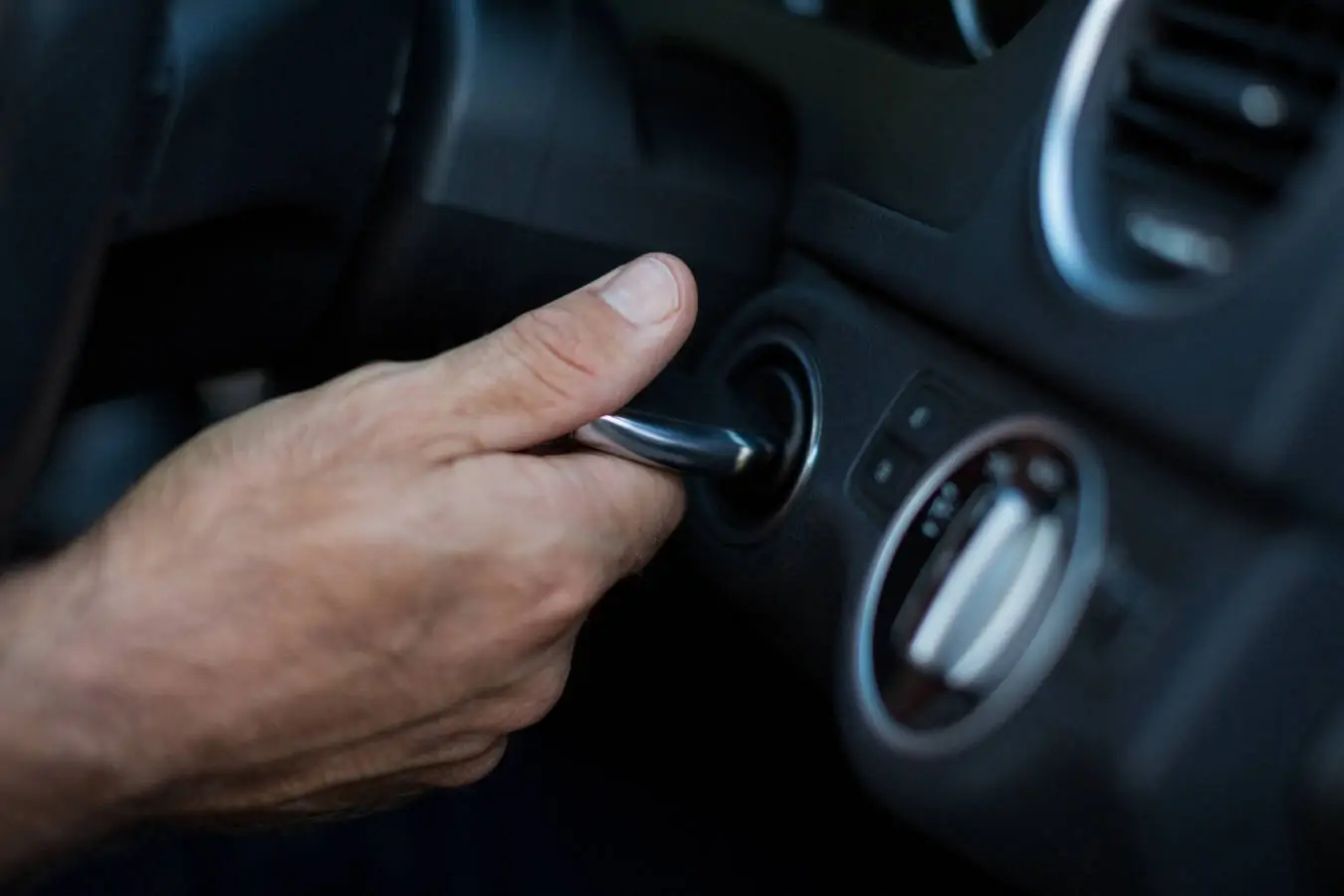
Car in winter - don't neglect the battery condition

Let's start from the beginning, with the battery. Unfortunately, your car might not start in winter. This is because low temperatures can significantly reduce battery performance. To avoid starting problems, it's worth regularly checking the battery charge and maintaining it in good condition. It's sometimes a good idea to charge the battery with a charger before winter arrives to prevent it from discharging in extreme cold. This will prevent you from being unable to start your car in the morning without the help of another driver.
Do not reach high speeds until the engine is warmed up.

It's important to remember that winter driving requires following a few rules. One of them concerns acceleration. What should you avoid when driving in winter? First and foremost, don't accelerate quickly immediately after starting the car while the engine is still cold. It needs to reach the appropriate temperature before reaching higher revs. Warming up the engine ensures better lubrication and reduces the risk of damage to expensive components.
Car in winter? Don't use summer coolant or windshield washer fluids

In winter, it is very important to use a coolant and windshield washer fluid with the right antifreeze protection. A product that is not properly matched to the weather conditions can freeze, which can damage important components – including the engine (in the case of coolant).
It's also crucial to ensure the quality of the products used. Which winter windshield washer fluid is best? Winter Windshield Washer Fluid -20°C 5L is perfect for cleaning windows in winter . It contains ingredients that are safe for wipers, headlights, paint, and windows, while also preventing freezing.
Windshield washer fluid removes dirt from the windshield, which impairs visibility while driving. At the same time, it doesn't freeze in the lines, reservoir, or windows, which could be very dangerous for the car itself, the driver, and passengers. This is crucial. After all, when driving in winter , windshield washer fluid is especially important, and if it freezes, we might miss obstacles, which could lead to an accident.
Don't neglect seasonal tire changes

While using summer tires in winter won't cause the same problems as using the wrong coolant, it can be extremely dangerous. Summer tires will slip on icy roads, extending braking distances and even preventing you from slowing down. Driving in winter will also be more difficult when driving in snow.
Tyres need to be replaced when the average daily temperature is below 7°C. Make an appointment at the workshop well in advance so as not to miss this moment.
Of course, you can also opt for good all-season tires . However, it's worth monitoring the condition of these tires to ensure smooth driving in difficult conditions.
Don't force a frozen door open

It's time to address another common problem when using a car in winter : frozen doors. After all, frozen seals are not uncommon in low temperatures. This phenomenon occurs not only after washing the car at a car wash, but also when moisture accumulates in the gaps. Frozen seals should not be forcibly removed. This can lead to damage and leaks.
Before winter arrives, it is better to protect the seals with a special preparation, namely silicone for seals. It will prevent them from freezing and cracking.
Do not leave the handbrake on in very cold weather.

Need to drive your car to work or elsewhere in the winter? Don't leave the handbrake on! Why? Leaving a parked car without the handbrake on can be problematic. Sometimes this isn't possible – especially when parking on a hill. However, if you have the option, avoid applying the handbrake in very cold weather. This is because the brake cable can freeze, preventing it from returning to its previous position. This can be quite problematic, as the car may simply not start, and if it does start, it's driving with a
What are the consequences of not following these rules?

Driving in winter is significantly more difficult than in summer. Neglecting these rules can lead to costly breakdowns, longer braking distances, or starting problems. It's worth preparing for winter in the fall to ensure safe use of your vehicle during the first frosts. Therefore, it's worth purchasing appropriate winter car accessories . This way, drivers can rest easy and not worry about the car not starting due to low temperatures or about driving in winter conditions being difficult.
See what's worth stocking up on before winter!
See also: